New paradigms in content delivery
“For an indie, the most boring thing you can do in 2026 is release a full priced, standalone (content complete) game”.
This idea just made sense when it came to me while chatting with a Creative Director friend.
To be clear, the standalone-full priced game/product model isn’t going anywhere. It's still viable and will endure to deliver games to an audience. However, it's a model that will continue to work for companies with a degree of scale (team members and monetary resources). Think along the lines of large studios building AAA titles with their own development and publishing arms etc.
Now, if you’re an indie, especially if you’ve come up in the big studio system where this is just how you made games, it may not serve you as well. There are other ways to get content to market. The best part of it IMO is that the risk of learning the viability has already been taken by a bunch of brave/courageous teams. They’ve not just proven out new methods, but also warmed up the audience to accept & expect content delivered in innovative ways.
LAUNCH is a point of no return - once it’s out there, it’s no longer yours'. It belongs to your audience and the internet never forgets. Finding out whether your vision resonates with the market ought to be done as soon as possible to limit the amount of risk in shipping content. Something we as an industry still often struggle to appreciate. Finding out soon gives us confidence. Getting real engagement feedback lets us know what to deliver more or less of.
As a UX nerd, I love the idea of real user engagement feedback. As opposed to having to make large scaled adjustments for AAA sized games, the episodic format gives us real player behavior and metrics. Metrics that either challenge or reinforce the assumptions we went to market with. In the past, you would pay millions to independent researchers to give you this information, but presently the avenues to ship content are plentiful and should be used to your advantage.
On most of the games I’ve made, closed beta is often the first time you get feedback from your target audience. With larger titles, this represents 3-4 years of choices and systems built on the assumptions and hope that it all connects with players just as we hope.
Anecdotally I’ve been on projects where player testing was always met with dread; “player feedback might mean we have to change our vision” or some version of “players are so stupid, they don't know what they want”. Obviously, this attitude is problematic and thankfully shifting as we understand our social AND business contract with players more and more.
With larger releases, the cost + risk + feedback all arrive at the exact same time.
Launch becomes a single point of success or failure.
Do we need to be THIS limited?
Just because the majority of game devs go this way, does it mean there are no lower risk alternatives? If anything, a different strategy could work in your favor.
I have thoughts!
Episodic Content Delivery - Dispatch
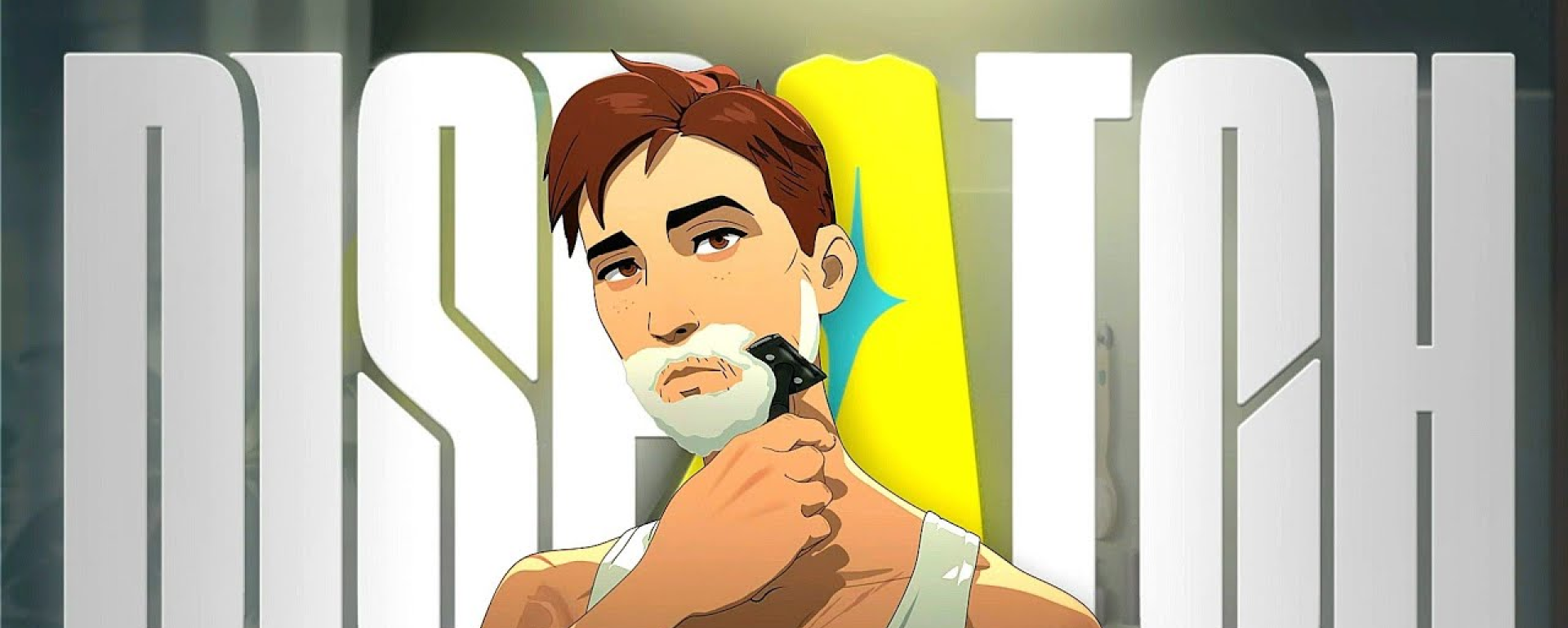
IMO dispatch is a fantastic experience, though purely as a game, rather underwhelming. That said, it's a recent example of a single narrative, delivered episodically.
Now this part is really exciting to me. It could be a great paradigm for more indies because it reduces the risk concentration that comes with releasing 30-60 hours of content all at once.
Dispatch’s episodic model gives the developers real time, actual player metrics; the ability to react and adjust future content based on what is resonating with the players must feel extremely comforting, removing any doubts about what’s worth the effort (and cost) of development.
This model allows a developers to
Observe player engagement and retention
Ship smaller, meaningful slices of the experience for reduced scope/cost
Learn from real player behavior, not assumed metrics
Adjust scope before costs compound
Generate revenue early! Fund future content! YAY!
It works because the content is finished to a high degree of polish. Intentionally released with the expectation it could evolve.
Honorable mention - Ambrosia Sky
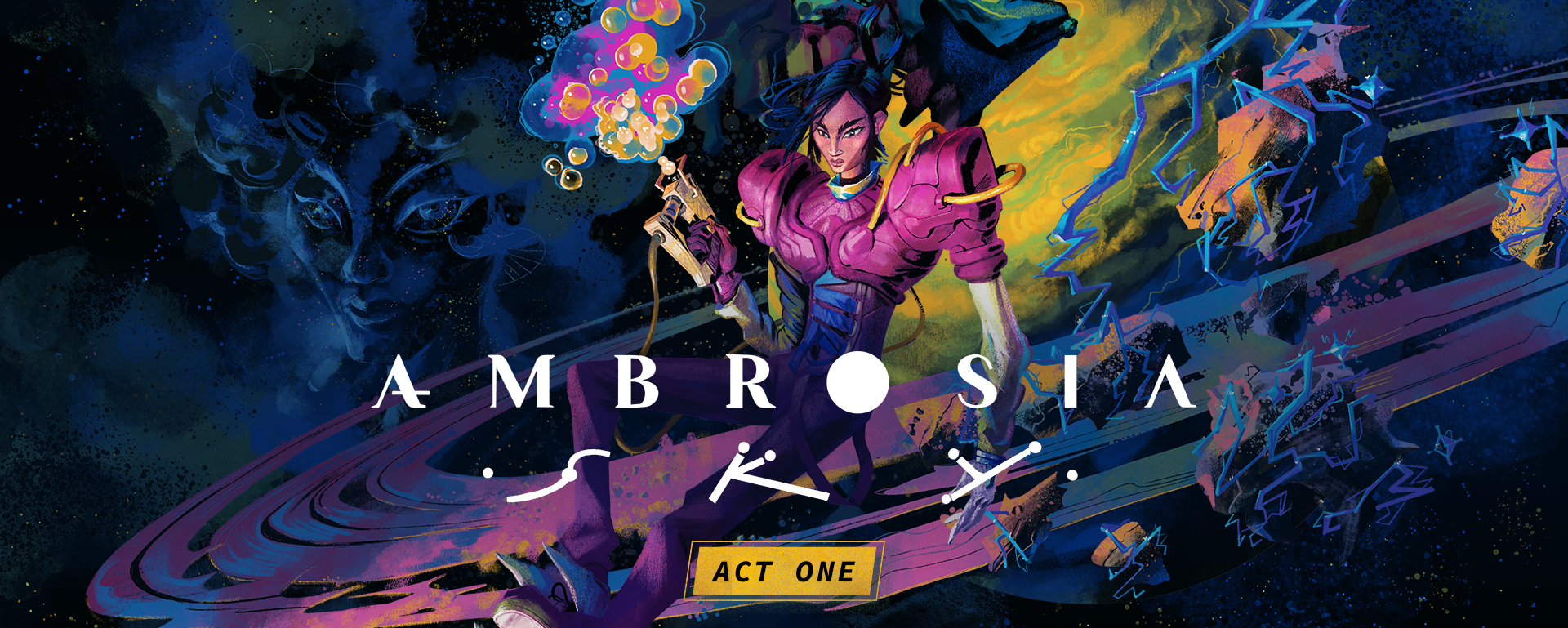
Another example of episodic content release, Ambrosia Sky by Soft Rains has also adopted an episodic release model.
When I spoke with a friend at Soft Rains, they acknowledged how pivotal real time player metrics have been in determining future content plans.
Gathering engagement / business intel in real time is basically a super power for developers who need to know their own investment has a better ROI in both fiscal and community skews.
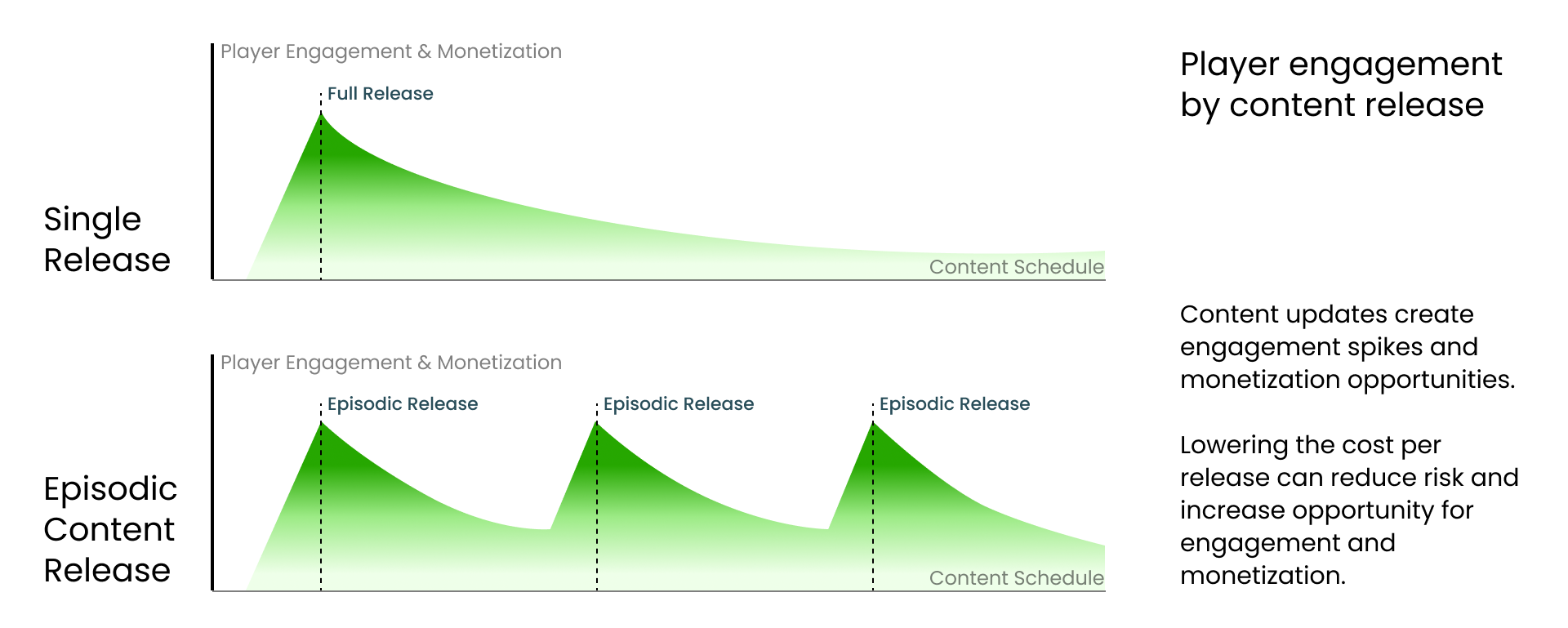
The real advantage here, from a developer POV is not just the lower cost/lower risk of shipping more consistent content over the same timeline (which is pretty wonderful, don’t get me wrong),.
Its the ability to adjust in response to how the market and players are reacting to your content.
I’ve been there; the post launch panic to address issues that are not only affecting your retention/monetization (DAU, ARPDAU etc), but also the managing the reputational and public image damage control all at the same time. Been there, done that… its not fun. Avoid it if you can.
Content is also a pretty freeing word because, this model works for other forms of content too.
Episodic Community Building - The Calling
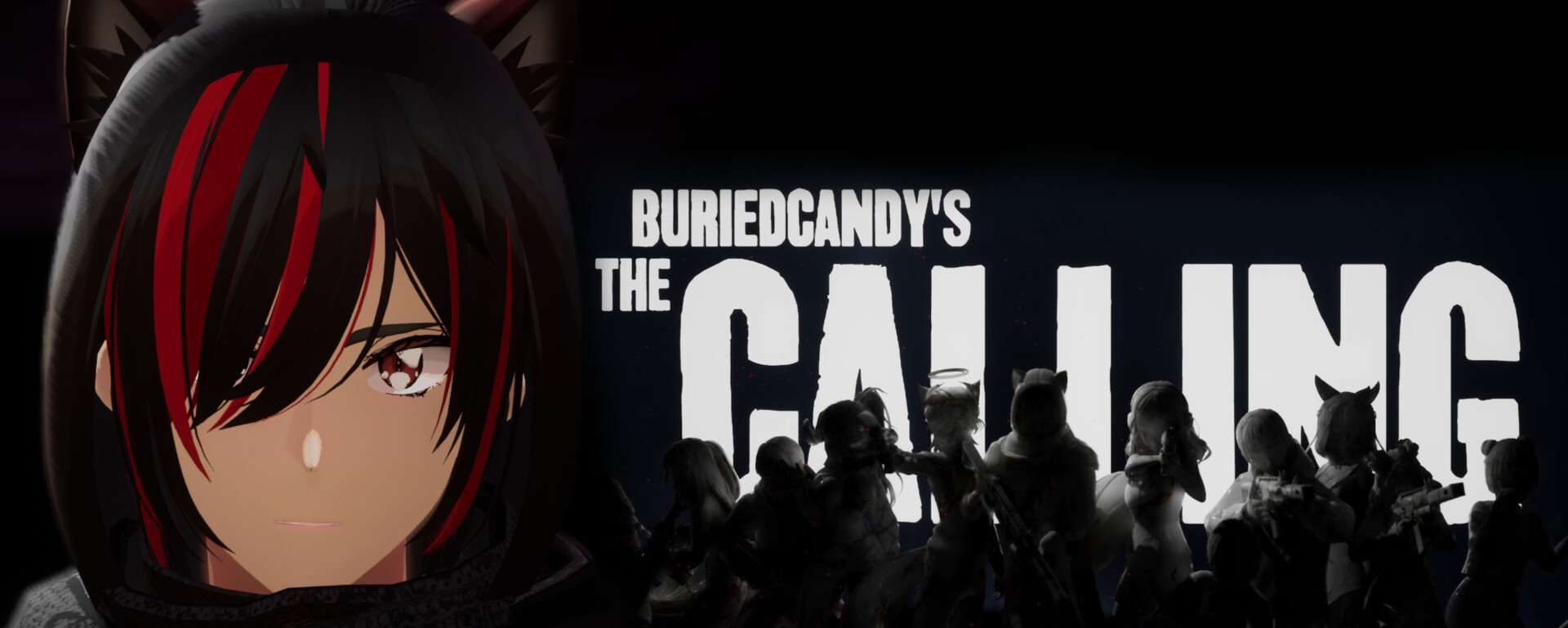
I discovered The Calling at XP Summit 2025 in Toronto. The founder Phil MacNevin (Buriedcandy) impressed me with his innovative approach to building community.
The basic premise - its a Hero Shooter game, but every character is a gaming streamer. Every avatar is agnostic of class, allowing any character to adopt any class attributes, making for a very fun, experimental experience for players.
The most innovative part of this model isn’t its phased content, when a new streamer avatar is added. Its WAY more interesting than that.
Its that each streamer brings their own community into the fold, giving everyone involved a bigger audience, opportunity to cross promote and for Phil, an ever growing and engaged playerbase.
But wait, there’s more!
These players who find The Calling via their favorite streamer who is now a playable character are already loyal and monetized. Talk about letting someone else do the hard work for you!
HOW SMART IS THAT? Its such a brave new idea, that I was instantly enamored.
My immediate advice to Phil was to crowdfund ASAP. As I said; “the audience is already loyal. They are already monetizing. They already want more ways to connect with their favorite streamers.”
So he did. The Calling has since blown past its KS goal.
You should check it out, and get involved. Here’s The Calling Kickstarter.

Constant Content release - Star Citizen
Star Citizen has raised over $900 MILLION as of late 2025, with over 6 MILLION monetizing players. They are approaching 1 BILLION via crowdfunding and in-game sales.
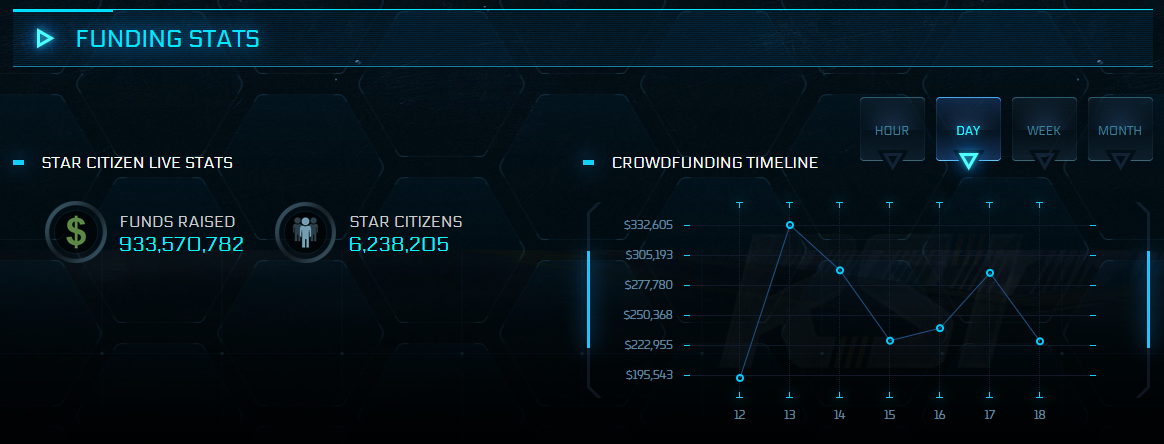
If you’re clowning on SC by saying they haven’t released a game yet, you’re missing the point.
This might actually be the future of content delivery.
Much like the calling, its SC is a product that never stops growing. From my POV that growth appears limitless.
Squadron 42 is slated to release this year (2026) yet portions of its promised 40 hour campaign have been playable for years. Was it incomplete, yes. Was it compelling enough to spend time and money on what was there? 6 million players say yes to that as well.
Maybe there is a future where a game never “ships”; never defines its boundaries. Maybe it keeps growing in response to what a highly engaged, monetizing player base resonates with. Maybe everything you work on is driven in part by the community, creating ownership, transparency and loyalty, taking the pressure of developers to get everything right just before launch.
to be absolutely clear, I don’t support releasing unfinished work.
It’s about releasing intentional work designed to evolve.
When players are involved early:
You stop guessing what resonates with players
You avoid guesswork and building features no one uses
You reduce late stage rework and crunch in a post launch panic scenario
You replace speculation with evidence
All good things, and factors that warm the hearts of UX people like me, looking to connect creative vision to player expectation.
A Trust Based Economy
I’ve said many times, the new economy in gaming is TRUST.
The trust that as a player, I’m paying for content that resonates with me, respects my time and attention, and is delivered so I feel valued in this transaction of renewable and non-renewable resources (time, money, attention).
This model isn’t right for every game, I accept that. Some experiences demand a fully authored arc.
But for many indies, the problem isn’t ambition. It’s risk concentration.
In 2026, the most compelling indie work isn’t just about what gets made. Rather It’s about:
How it reaches players
content delivery cadence and confidence
When value is delivered to both developer and customer
Who is invited into the process and what informs the roadmaps
The shift isn’t making games smaller by any means. It simply tries to de-risk the roadmap by building community and player investment in lock step with content.
New content means spikes in activity and engagement. More opportunities for monetization too. As indies, why should you be beholden to a model that favors organizations with massive risk tolerance (though maybe those days are also coming to a close).
To do nothing is madness. If you needed ideas, look to these examples of teams big and small, trying out new delivery methods so you can jump on their coat tails without the risk of trying them first. There’s definitely something here.
What do you think? Should we be exploring new content delivery methods or are we bullish on full priced single releases?
Thanks for reading my shower thought!
Go make something awesome!